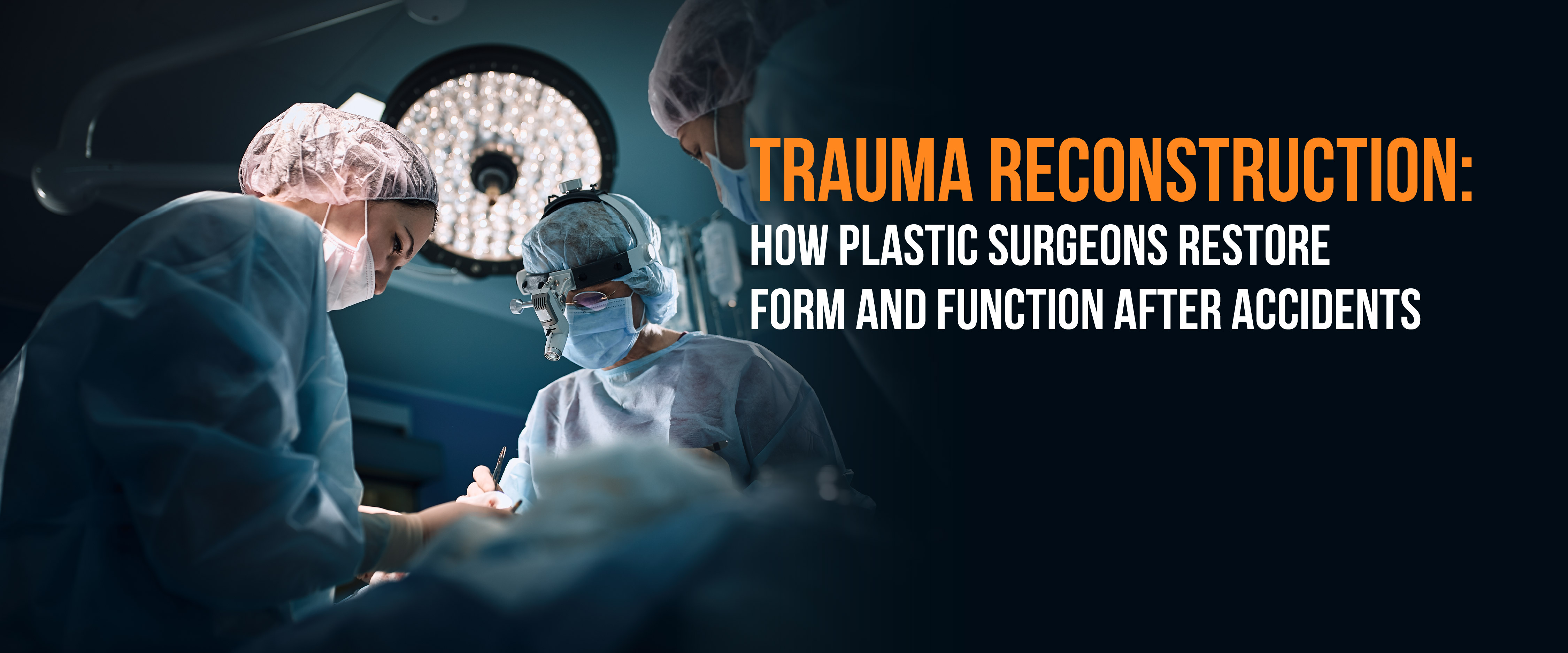
Trauma Reconstruction: How Plastic Surgeons Restore Form and Function after Accidents
Life can change in a matter of seconds. Road traffic injuries, burns, falls, workplace accidents, sports injuries, or even animal bites can cause deep wounds, damaged skin, broken bones, crushed muscles, or visible scars. Apart from physical pain, trauma can also affect confidence, emotions, movement, speech, and day-to-day activities.
In medical terms, trauma refers to a sudden physical injury that may affect the skin, bones, muscles, nerves, blood vessels, or internal organs and often requires urgent treatment. After the immediate emergency is managed, reconstruction becomes an important part of recovery. Reconstructive plastic surgery focuses on repairing and restoring damaged body parts so that they function properly and appear as natural as possible.
Difference between Cosmetic and Reconstructive Surgery
Trauma reconstruction is a specialized branch of plastic surgery performed after severe injuries. The primary goal is not only to improve appearance, but also to restore movement, sensation, speech, breathing, and overall quality of life. In many cases, reconstructive surgery helps patients regain independence and return to normal daily activities.
Although both cosmetic and reconstructive surgeries are performed by plastic surgeons, cosmetic and reconstructive surgeries serve different purposes.
Cosmetic surgery focuses on enhancing appearance and improving aesthetic features.
Reconstructive surgery focuses on restoring body parts affected by trauma, burns, congenital conditions, infections, cancer treatment, or debilitating disorders. The aim is to improve both function and appearance.
Common Conditions That May Require Trauma Reconstruction
Plastic surgeons may treat a wide range of traumatic injuries, including:
Facial fractures
- Severe lacerations
- Burns
- Extensive scarring
- Soft tissue injuries
- Nerve and tendon damage
- Crushed limbs
- Skin loss
- Amputations
Patients often seek reconstructive surgery to:
- Regain functionality and resume daily activities
- Improve appearance after disfigurement
- Reduce pain, stiffness, or restricted movement
- Improve emotional well-being and confidence
- Correct complications from previous injuries or surgeries
Every injury is different, and treatment is planned according to the patient’s condition, extent of tissue damage, and long-term functional needs.
When Should Reconstructive Plastic Surgery Be Considered?
Reconstructive surgery should be considered when:
- Injuries result in loss of function or mobility
- There is significant tissue loss or deformity
- Scarring affects movement or causes discomfort
- Facial injuries affect breathing, speech, chewing, or vision
- Conventional treatments do not provide satisfactory healing
- Visible disfigurement affects emotional well-being or confidence
Timely intervention is important because delayed treatment can increase the risk of infection, tissue loss, stiffness, deformity, or long-term disability.
How Plastic Surgeons Reconstruct Injuries
Wound Cleaning and Debridement
The first step in reconstruction is often wound cleaning and debridement. This involves removing dead tissue, dirt, foreign particles, and damaged skin to reduce infection risk and promote healthy healing.
Wound Closure
Proper wound closure helps improve healing, reduce scarring, and preserve movement. Small wounds may be closed with stitches, while larger or deeper wounds may require advanced reconstructive techniques.
Skin Grafting
When skin is severely damaged or missing, healthy skin may be taken from another part of the body and placed over the wound. Skin grafting is commonly used in burns, large wounds, and road traffic injuries.
Flap Surgery
Flap surgery involves transferring skin, fat, muscle, or blood vessels from one part of the body to another while maintaining the blood supply. This technique is useful for covering exposed bones, tendons, implants, or deep tissue injuries.
Microsurgery
Microsurgery uses specialized microscopes and delicate instruments to repair tiny blood vessels, nerves, and tendons. It can help restore blood flow and even reattach fingers, hands, or other body parts after traumatic amputation.
Facial Reconstruction
Facial reconstruction repairs fractures and soft tissue injuries involving the jaw, nose, cheekbones, or eye sockets. The procedure helps restore facial symmetry, jaw alignment, breathing, vision, and speech. Plates, screws, grafts, or implants may sometimes be required.
Scar Management
Some patients may develop thick, painful, or restrictive scars after healing. Scar management may include scar revision surgery, silicone sheets, steroid injections, laser treatment, or pressure garments to improve appearance and flexibility.
Recovery After Trauma Reconstruction
Recovery depends on several factors, including:
- Severity of injury
- Type of surgery performed
- Patient’s overall health
- Presence of infection or other complications
- Rehabilitation efforts
Healing may take weeks to months, especially after severe injuries or multiple surgeries.
After trauma reconstruction, patients may require:
- Physiotherapy
- Occupational therapy
- Wound care
- Additional reconstructive procedures
- Emotional and psychological support
A multidisciplinary approach often helps patients recover more effectively and regain independence.
Conclusion
Reconstructive plastic surgery plays an important role in restoring function and appearance after trauma. From hand reconstruction and limb salvage to facial reconstruction and burn repair, these procedures help patients recover physically, emotionally, and socially. At STAR Hospitals, the Plastic and Reconstructive Surgery team provides comprehensive trauma reconstruction services for patients with accident-related injuries, burns, facial trauma, soft tissue defects, and complex wounds. With advanced surgical techniques, microsurgical expertise, critical care support, and multidisciplinary rehabilitation, the team focuses on restoring both function and quality of life after serious injuries.